


USB Plug and Play революция в подключении устройств DATE: 2025-12-02
В современном мире технологий легкость и скорость подключения устройств играют ключевую роль. Imagine a world where you don't have to worry about complicated setups or driver installations. That's exactly what USB Plug and Play technology has brought to us. This innovation has transformed how we interact with our devices, making everything from printers to smartphones seamlessly integrate with our computers. In this comprehensive article, we'll dive deep into the USB Plug and Play revolution, exploring its history, benefits, and impact on our daily lives. Whether you're a tech enthusiast or a casual user, you'll find valuable insights here. So, let's get started on this exciting journey!
Что такое USB Plug and Play?
USB Plug and Play (PnP) – это технология, позволяющая автоматически обнаруживать и настраивать периферийные устройства при их подключении к компьютеру через USB-порт. Gone are the days of manually installing drivers or rebooting systems. With PnP, you simply plug in the device, and it works almost instantly. This simplicity has made USB one of the most widely used interfaces in the world. The technology relies on a combination of hardware and software protocols to ensure compatibility and ease of use. From its inception, USB PnP has been designed to be user-friendly, reducing the technical barriers that once plagued device connectivity.
The core idea behind Plug and Play is to eliminate the need for user intervention. When you connect a USB device, the computer's operating system recognizes it, loads the necessary drivers, and makes it ready for use. This process is handled in the background, often without any prompts. For example, connecting a USB flash drive allows you to access files immediately, while a printer can start printing documents right away. This automation saves time and reduces frustration, especially for non-technical users. The universality of USB means that it supports a wide range of devices, from storage drives to input devices like keyboards and mice.
Moreover, USB Plug and Play is not just about convenience; it's about reliability. The technology includes features like hot-swapping, which allows devices to be connected or disconnected without shutting down the computer. This is particularly useful in professional environments where downtime is costly. Additionally, USB standards have evolved over the years, with versions like USB 2.0, 3.0, and now USB4, each offering faster data transfer rates and improved power delivery. These advancements have further enhanced the Plug and Play experience, making it even more efficient and versatile.
История развития USB технологии
История USB началась в середине 1990-х годов, когда группа компаний, включая Intel, Microsoft, и другие, объединились для создания универсального стандарта подключения. Before USB, connecting devices was a hassle. Users had to deal with a plethora of ports like serial, parallel, and PS/2, each with its own limitations. The goal was to develop a single interface that could replace them all, simplifying connectivity and improving performance. In 1996, USB 1.0 was introduced, offering data transfer speeds of up to 12 Mbps. Although slow by today's standards, it was a significant step forward.
The Plug and Play feature was a cornerstone of USB from the beginning. It was designed to work seamlessly with operating systems like Windows 95 and later versions, which included built-in support for PnP. This integration helped USB gain rapid adoption. By the early 2000s, USB had become the standard for most peripheral devices. The release of USB 2.0 in 2000 boosted speeds to 480 Mbps, making it suitable for more demanding applications like external hard drives and video cameras. This era marked the true revolution, as USB PnP became ubiquitous in homes and offices worldwide.
In the following years, USB continued to evolve. USB 3.0, introduced in 2008, offered speeds up to 5 Gbps, along with improved power management. This allowed for faster charging of devices and better performance for high-bandwidth applications. The recent advent of USB4 and USB-C connectors has taken Plug and Play to new heights, with speeds exceeding 40 Gbps and support for video output and power delivery up to 100W. These developments have made USB even more integral to our digital lives, supporting everything from smartphones to advanced computing systems. The history of USB is a testament to innovation driven by user needs, and Plug and Play has been at the heart of this journey.
Преимущества USB Plug and Play
Одним из главных преимуществ USB Plug and Play является его простота использования. Users no longer need to be tech-savvy to connect devices. This democratization of technology has empowered millions of people to use computers and peripherals without fear of complexity. For instance, grandparents can easily plug in a digital camera to transfer photos, or students can connect a printer for their homework. The automatic driver installation means that even if you're not sure what drivers are, the system handles it for you. This user-centric design has broadened the appeal of computing devices.
Another significant advantage is compatibility. USB is an industry standard, supported by virtually all operating systems, including Windows, macOS, Linux, and even mobile platforms like Android and iOS. This universality ensures that devices work across different systems without issues. For businesses, this means reduced IT costs and increased productivity. Employees can bring their own devices and connect them effortlessly, fostering a flexible work environment. Additionally, the hot-swap capability allows for easy device sharing and replacement, which is crucial in settings like offices or schools where multiple users need access to peripherals.
USB Plug and Play also enhances reliability and performance. The technology includes error checking and correction mechanisms, ensuring data integrity during transfers. Moreover, the evolution of USB speeds has kept pace with increasing data demands. For example, transferring large files or streaming high-definition video is now smooth and efficient. The power delivery features of newer USB standards mean that devices can be charged quickly while in use, reducing the need for multiple cables and adapters. Overall, the benefits of USB PnP extend beyond convenience to include cost savings, efficiency, and future-proofing.
Как работает USB Plug and Play?
Чтобы понять, как работает USB Plug and Play, давайте рассмотрим процесс шаг за шагом. When you plug a USB device into a port, the computer's hardware detects the connection through electrical signals. The operating system then initiates a process called enumeration. During enumeration, the computer queries the device to identify its type, manufacturer, and required drivers. This information is exchanged using a standardized protocol, ensuring that the system can recognize even unknown devices.
Once the device is identified, the operating system checks its driver database for compatible software. If the driver is available, it is loaded automatically. In cases where the driver is not pre-installed, the system may prompt the user to install it from a CD or download it from the internet. However, with modern operating systems like Windows 10 or macOS, most common drivers are included out-of-the-box, minimizing user intervention. After the driver is installed, the device is configured and ready for use. This entire process typically takes only a few seconds, showcasing the efficiency of Plug and Play.
Under the hood, USB uses a host-controller model, where the computer acts as the host and manages all connected devices. The host periodically polls the devices to check for data or status changes, ensuring smooth communication. This polling mechanism is part of what makes Plug and Play so reliable. Additionally, USB supports multiple device classes, such as mass storage, human interface devices (e.g., keyboards), and audio devices, each with standardized protocols that simplify integration. This structured approach is why USB PnP works consistently across a vast array of hardware.
Примеры использования в повседневной жизни
USB Plug and Play technology is everywhere in our daily lives, often taken for granted. Consider the humble USB flash drive. You plug it into any computer, and within moments, you can access your files. No setup required. This has revolutionized data portability, allowing people to carry important documents, photos, and videos with ease. Similarly, external hard drives use USB PnP for backups and expanded storage, providing a seamless way to protect and manage data.
In the realm of entertainment, USB devices like headphones, speakers, and game controllers benefit from Plug and Play. Gamers can connect a controller and start playing without fiddling with settings. Musicians use USB interfaces to record audio directly into their computers, thanks to automatic driver detection. Even smart home devices, such as Wi-Fi adapters or security cameras, often rely on USB for easy setup. These examples highlight how USB PnP has integrated into various aspects of life, enhancing convenience and functionality.
Professional environments also reap the rewards. In offices, USB printers, scanners, and keyboards are staples that employees can connect without IT support. This reduces downtime and increases efficiency. In healthcare, medical devices like blood glucose monitors or diagnostic tools use USB for data transfer, ensuring quick and accurate patient information handling. The education sector benefits from USB-connected projectors and interactive whiteboards, making classrooms more dynamic. Overall, USB Plug and Play has become an invisible yet vital enabler of modern technology usage.
Сравнение с другими технологиями подключения
До появления USB, другие технологии, такие как последовательный порт (serial port) и параллельный порт (parallel port), были распространены, но они lacked the simplicity of Plug and Play. For example, connecting a printer via a parallel port required manual configuration of IRQ settings and driver installation, which could be confusing for users. These older interfaces also had slower data transfer rates and were not hot-swappable, meaning you had to turn off the computer to connect or disconnect devices.
Even compared to more modern alternatives like Thunderbolt or wireless technologies, USB holds its own due to its Plug and Play ease. Thunderbolt offers higher speeds but often requires specific drivers and hardware support, making it less universal. Wireless connections, such as Bluetooth or Wi-Fi, provide convenience but can suffer from interference or pairing issues. USB, with its wired reliability and automatic setup, strikes a balance between performance and user-friendliness. It's also more cost-effective, as USB cables and devices are generally cheaper and widely available.
Another advantage is backward compatibility. Newer USB versions can work with older devices, ensuring that investments in peripherals are protected. For instance, a USB 3.0 device can be used with a USB 2.0 port, albeit at reduced speed. This interoperability is a key reason why USB has endured while other technologies have faded. In summary, while there are faster or more specialized options, USB Plug and Play remains the go-to choice for most consumers due to its unmatched combination of ease, compatibility, and affordability.
Будущее USB и Plug and Play
Будущее USB технологии выглядит bright, с непрерывными инновациями. The introduction of USB4 promises even faster data transfer rates, up to 40 Gbps, and better integration with other protocols like Thunderbolt 3. This will enable new applications in areas like virtual reality, high-resolution video editing, and artificial intelligence, where large data volumes need to be moved quickly. Plug and Play will continue to be a core feature, ensuring that these advancements remain accessible to all users.
We can also expect improvements in power delivery. USB Power Delivery (USB PD) standards are evolving to support higher wattages, enabling faster charging for laptops and other power-hungry devices. This could lead to a future where a single USB cable handles data, video, and power for all your devices, simplifying setups even further. Additionally, the adoption of USB-C connectors, which are reversible and versatile, will enhance the user experience by eliminating the frustration of plugging in cables the wrong way.
On the software side, operating systems will become even smarter at handling Plug and Play. Machine learning algorithms might predict device needs and pre-load drivers, reducing setup time to near zero. Security enhancements will also be a focus, protecting against malicious devices that could exploit Plug and Play features. As the Internet of Things (IoT) grows, USB will play a role in connecting smart devices, with Plug and Play ensuring seamless integration. The future is one where connectivity is effortless, and USB will be at the forefront of this evolution.
Заключение
USB Plug and Play truly revolutionized how we connect devices, making technology more accessible and user-friendly. From its humble beginnings to its current state as a global standard, it has eliminated barriers and empowered users worldwide. As we look ahead, the continued evolution of USB will bring even greater conveniences, solidifying its place in our digital lives. Embrace the revolution – with USB Plug and Play, the future of connectivity is at your fingertips.

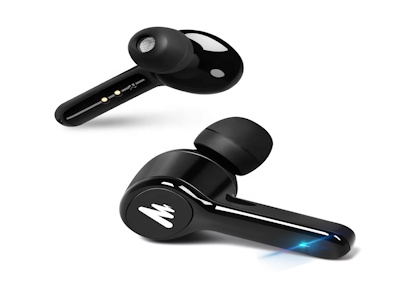
Иллюстрация: Разнообразие USB-устройств, легко подключаемых благодаря технологии Plug and Play.
Thank you for reading this in-depth article on USB Plug and Play. We hope it has provided valuable insights into this transformative technology. If you have any questions or thoughts, feel free to share them in the comments below. Stay connected!
 1388xx888xx