

Можно ли использовать KTV микрофон для записи музыки в домашних условиях DATE: 2025-12-09
В современном мире технологии позволяют каждому стать творцом, и запись музыки дома стала более доступной, чем когда-либо. Однако выбор оборудования может быть сложным, особенно для новичков, которые ищут бюджетные варианты. Один из таких вариантов – использование KTV микрофонов, изначально предназначенных для караоке. В этой статье мы подробно рассмотрим, можно ли эффективно использовать KTV микрофон для записи музыки в домашних условиях, обсудим его преимущества, недостатки, технические аспекты, практические советы и альтернативы.
Что такое KTV микрофон и как он работает
KTV микрофон, или караоке-микрофон, – это устройство, разработанное для использования в караоке-системах. Обычно он подключается к телевизору или специальному караоке-аппарату через провод или беспроводным способом (например, по Bluetooth). Эти микрофоны часто имеют встроенные эффекты, такие как эхо или реверберация, которые делают пение более веселым и динамичным. С технической точки зрения, большинство KTV микрофонов являются динамическими или конденсаторными, но с упрощенной конструкцией, ориентированной на развлечение, а не на профессиональную запись.
Принцип работы KTV микрофона основан на преобразовании звуковых волн в электрические сигналы. В динамических микрофонах используется катушка и магнит для генерации сигнала, что делает их прочными и менее чувствительными к фоновому шуму. Конденсаторные варианты, которые встречаются реже в бюджетных KTV моделях, более чувствительны и могут улавливать более широкий диапазон частот, но требуют фантомного питания. Однако в KTV микрофонах эти характеристики часто оптимизированы для громкого, яркого звука, а не для точности записи.
Важно отметить, что KTV микрофоны обычно имеют ограниченный частотный диапазон и могут искажать звук при высоких уровнях громкости. Это связано с их предназначением – они designed для усиления голоса в шумной обстановке караоке-бара, а не для студийной записи. Тем не менее, для домашних условий, где требования к качеству могут быть ниже, они могут служить временным решением.
Преимущества использования KTV микрофона для домашней записи
Использование KTV микрофона для записи музыки дома имеет несколько очевидных преимуществ, особенно для начинающих музыкантов или энтузиастов. Во-первых, это доступность и низкая стоимость. KTV микрофоны часто продаются по цене от 500 до 3000 рублей, что значительно дешевле профессиональных студийных микрофонов, которые могут стоить десятки тысяч рублей. Это делает их attractive option для тех, кто только начинает explorовать мир звукозаписи и не хочет immediately инвестировать в дорогое оборудование.
Во-вторых, KTV микрофоны просты в использовании. Многие модели plug-and-play, meaning они可以直接 подключиться к компьютеру или смартфону через USB или аудиоразъем без необходимости дополнительных интерфейсов или программного обеспечения. Это уменьшает барьер входа для новичков, которые могут quickly начать записывать свои идеи. Кроме того, встроенные эффекты, такие как echo или reverb, могут добавить творческий touch к recordings, хотя их следует использовать с осторожностью, чтобы avoid over-processing.
Еще одно преимущество – портативность. KTV микрофоны often компактны и легки, making их ideal для recording на ходу или в разных комнатах дома. Это полезно для musicians, кто хочет experiment с акустикой или записывать в unconventional spaces. Например, вы можете использовать KTV microphone в ванной комнате для естественной реверберации, что может дать интересные results при минимальных затратах.
Наконец, для specific genres, таких как demo recordings или lo-fi music, KTV микрофоны могут provide unique sound characteristics that professional microphones lack. Their inherent limitations, like limited frequency response or slight distortion, can be creatively exploited to achieve a raw, authentic vibe that appeals to certain audiences. In this sense, they can be a tool for artistic expression rather than just a cheap alternative.
Недостатки и ограничения KTV микрофонов
Несмотря на преимущества, использование KTV микрофона для записи музыки дома сопряжено с серьезными недостатками, которые могут ограничить его применение. Главный минус – низкое качество звука по сравнению с профессиональными микрофонами. KTV микрофоны often имеют узкий частотный диапазон, typically от 100 Hz до 10 kHz, whereas профессиональные вокальные микрофоны cover диапазон от 20 Hz до 20 kHz. Это means они могут poorly capture низкие басы или высокие harmonics, resulting в flat или muddy recordings.
Другая проблема – чувствительность к шуму. KTV микрофоны designed для караоке, где фоновый шум masked громкой музыкой, но в тихой домашней обстановке они могут улавливать unwanted sounds, такие как гул appliances или street noise. Их cardioid или omnidirectional patterns могут be less effective at rejecting background noise compared to studio-grade microphones with supercardioid patterns. Это требует additional efforts в sound treatment, such as using acoustic panels или recording в isolated rooms.
Additionally, KTV микрофоны often lack professional features like pop filters, shock mounts, or high-quality preamps. Without these, recordings can suffer from plosives (e.g., 'p' and 'b' sounds causing bursts), handling noise, or poor signal-to-noise ratio. This means that even with post-processing in software like Audacity or GarageBand, it may be difficult to achieve clean, professional-sounding tracks. For serious music production, these limitations can be deal-breakers.
Наконец, durability может быть issue. Budget KTV микрофоны made из дешевых материалов и могут easily break после intensive use. Для long-term projects, investing в более reliable equipment might be more cost-effective. Также, compatibility может be problem – некоторые KTV микрофоны require specific adapters или не work хорошо с DAW (digital audio workstations), adding complexity к workflow.
Технические аспекты: как подключить и использовать KTV микрофон
Чтобы effectively использовать KTV микрофон для записи дома, важно understand технические детали подключения и настройки. Большинство KTV микрофонов connect через 3.5mm jack или USB. Для подключения к компьютеру, если microphone has USB output, you can simply plug it into a USB port, and it should be recognized as an audio input device. However, for better quality, using an audio interface is recommended, as it provides better preamps and converters.
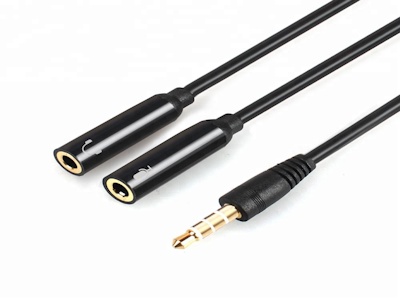
If the microphone has a 3.5mm jack, you may need an adapter to connect it to a computer's microphone input or an audio interface. Note that computer microphone inputs often have poor quality, so using an interface like a Focusrite Scarlett can significantly improve the sound. Additionally, ensure that the microphone's impedance matches your equipment to avoid signal loss or distortion.
В программном обеспечении, таком как Audacity, Reaper, или GarageBand, настройте input source to the KTV microphone. Adjust the gain levels carefully to avoid clipping ( distortion from too loud input) and ensure a healthy signal level. Since KTV microphones may have built-in effects, it's best to record dry (without effects) and add effects later in the DAW for more control. Use a pop filter or speak slightly off-axis to reduce plosives.
Для улучшения качества, consider basic acoustic treatment. Record in a quiet room with soft furnishings to absorb reflections. Use a microphone stand to minimize handling noise. Test the microphone with different distances from the sound source – typically, 6-12 inches for vocals – to find the sweet spot where the sound is clear without too much room ambiance.
Post-recording, use EQ to boost missing frequencies (e.g., add highs if the microphone is dull) and compression to even out the dynamics. However, remember that no amount of processing can fully compensate for a poor source recording, so manage expectations accordingly.
Практические советы для достижения лучших результатов
Если вы решили использовать KTV микрофон для домашней записи, follow these practical tips to maximize its potential. First, choose the right environment. Record in a small, carpeted room with curtains and furniture to dampen echoes. Avoid rooms with hard surfaces like bathrooms or kitchens, as they can cause excessive reverb that the microphone may accentuate.
Second, experiment with microphone placement. Hold the microphone at a 45-degree angle to your mouth to reduce plosives, and maintain a consistent distance to avoid volume variations. If possible, use a shock mount or isolate the microphone from vibrations by placing it on a soft surface.
Third, leverage the built-in effects sparingly. While the echo or reverb can be fun, record a clean version first and add effects in your DAW. This gives you more flexibility during mixing. For example, you can adjust the reverb tail or remove it entirely if it doesn't fit the song.
Fourth, combine the KTV microphone with other inexpensive tools. Use a free DAW like Audacity for editing, and consider adding a cheap USB audio interface if your computer's sound card is poor. This can improve the overall signal chain. Additionally, use headphones for monitoring to hear exactly what is being recorded and avoid feedback issues.
Finally, practice and patience are key. Record multiple takes and comp the best parts together. Listen critically to the recordings and identify areas for improvement. Over time, you'll learn how to get the most out of your KTV microphone, even if it's not ideal for professional work.
Альтернативы KTV микрофонам для домашней записи
Если limitations KTV микрофона too great, consider affordable alternatives that offer better quality for home recording. One popular option is USB microphones designed for podcasting or streaming, such as the Blue Yeti or Audio-Technica AT2020USB. These microphones are still budget-friendly (around 5000-10000 рублей) but provide superior sound quality, wider frequency response, and built-in features like gain control and multiple polar patterns.
Another alternative is to invest in a dynamic microphone like the Shure SM58, which is a industry standard for live vocals and can be used for recording with an audio interface. It costs around 6000 рублей and is durable, with excellent noise rejection. Pair it with a Focusrite Scarlett Solo interface (about 8000 рублей) for a significant upgrade in sound quality.
For those on a tight budget, used equipment can be a great option. Check online marketplaces for second-hand microphones or interfaces. Often, you can find professional gear at a fraction of the cost. Additionally, free software like GarageBand (for Mac) or Cakewalk (for Windows) can provide powerful tools for recording and mixing without extra expense.
Если вы serious about music production, saving up for a better microphone might be worth it in the long run. Consider condenser microphones like the Rode NT1 or AKG P120, which offer studio-quality sound for under 15000 рублей. Remember, the microphone is just one part of the chain – room acoustics and performance play a huge role in the final result.
Заключение: стоит ли использовать KTV микрофон?
В заключение, использование KTV микрофона для записи музыки в домашних условиях возможно, но с оговорками. Для начинающих, демо-записей или экспериментальных проектов, он может serve as a cheap and accessible entry point. Его простота и portability make it convenient for quick recordings or fun sessions with friends.
However, for serious music production or high-quality results, limitations in sound quality, noise sensitivity, and durability make it less ideal. Investing in a dedicated USB microphone or a dynamic microphone with an audio interface will yield better outcomes and save time in post-production.
Ultimately, the decision depends on your goals, budget, and patience. If you're just starting out, a KTV microphone can be a great tool to learn the basics of recording. But as you progress, upgrading to better equipment will help you achieve the professional sound you desire. Remember, the best microphone is the one that inspires you to create, so don't let gear limitations stop your creativity – work with what you have and keep improving.
В мире музыки, technology постоянно evolves, и сегодняшние limitations могут become tomorrow's opportunities. Whether you use a KTV microphone or something else, the key is to enjoy the process and keep making music.
 1388xx888xx