
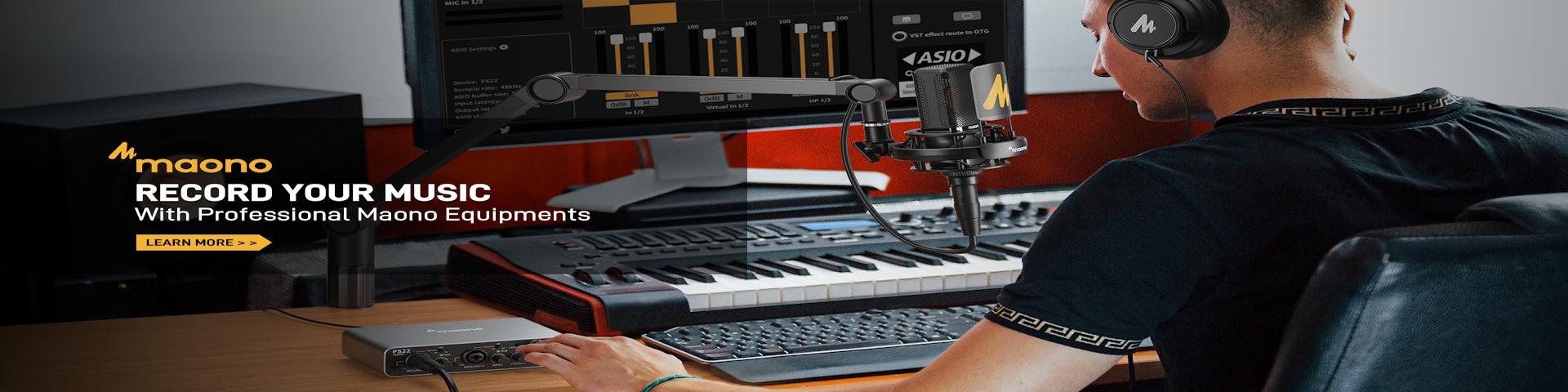

Микрофонный адаптер почему он незаменим в студии DATE: 2025-12-12
В мире современной звукозаписи каждый элемент оборудования играет ключевую роль в создании безупречного звука. Среди множества устройств микрофонный адаптер часто остается в тени, несмотря на свою фундаментальную важность. Эта статья углубляется в причины, по которым микрофонный адаптер является незаменимым компонентом любой профессиональной студии, охватывая его функции, типы, практические применения и будущие тенденции. Мы рассмотрим, как этот скромный инструмент преобразует сырые аудиосигналы в кристально чистые записи, обеспечивая совместимость, качество и гибкость в звуковом производстве.
Введение в микрофонный адаптеры
Микрофонный адаптер — это устройство, предназначенное для подключения микрофонов к различным аудиосистемам, таким как звуковые карты, микшерные пульты или компьютеры. Он служит мостом между аналоговым сигналом микрофона и цифровым или аналоговым входом оборудования, преобразуя импеданс, уровень сигнала или тип соединения. Без адаптера многие микрофоны просто не смогли бы работать с современными студийными setup, что привело бы к потере качества или полной несовместимости.
Исторически, развитие микрофонных адаптеров началось с появлением разнообразных стандартов подключения в аудиоиндустрии. В ранние дни звукозаписи использовались простые кабели и разъемы, но с ростом технологий возникла необходимость в специализированных адаптерах для обеспечения оптимальной передачи сигнала. Сегодня они эволюционировали в sophisticated устройства, поддерживающие высокие стандарты, такие как XLR, TRS, USB и другие.
В студийном контексте адаптер не просто соединяет точки; он активно участвует в shaping звука. Например, он может предоставлять фантомное питание для конденсаторных микрофонов, усиливать слабые сигналы от динамических микрофонов или изолировать шумы. Это делает его критическим звеном в chain, где малейшие искажения могут испортить всю запись.
Рассмотрим практический сценарий: вы используете профессиональный микрофон с XLR выходом, но ваша звуковая карта имеет только jack вход. Без адаптера подключение невозможно, и вы рискуете повредить оборудование из-за несовпадения импеданса. Адаптер решает эту проблему, обеспечивая безопасное и efficient соединение.
Кроме того, в эпоху цифровизации адаптеры часто включают analog-to-digital conversion, позволяя напрямую подключать микрофоны к компьютерам через USB. Это особенно полезно для домашних студий и подкастеров, где простота и portability ценятся высоко. Таким образом, адаптер не только незаменим, но и адаптируется к changing needs индустрии.
В следующих разделах мы детально explore различные аспекты микрофонных адаптеров, начиная с их основных функций и заканчивая советами по выбору и использованию. Мы также обсудим common misconceptions и how to avoid pitfalls, ensuring that you get the most out of your studio setup.
Основные функции и принцип работы
Микрофонный адаптер выполняет несколько ключевых функций, которые делают его vital в студии. Во-первых, он обеспечивает impedance matching. Импеданс — это сопротивление переменному току в цепи, и несовпадение импеданса между микрофоном и входным устройством может привести к loss of high frequencies, искажениям или reduced signal level. Адаптер корректирует это, matching импеданс микрофона (обычно низкий, около 150-600 Ом) с импедансом входного устройства (который может варьироваться).
Во-вторых, адаптер often provides gain или amplification. Микрофоны, особенно динамические, производят очень weak signals (в диапазоне millivolts). Адаптер усиливает эти сигналы до line level (около 0 dBV), making them suitable for further processing by mixers or audio interfaces. This is crucial for maintaining a good signal-to-noise ratio and ensuring that recordings are clear and loud enough without引入 unwanted noise.
Третья важная функция — provision of phantom power. Конденсаторные микрофоны require external power to operate their internal electronics, typically 48 volts. Многие адаптеры, особенно those designed for studio use, include phantom power circuits that supply this voltage through the same cable, eliminating the need for separate power supplies. This simplifies setup and reduces clutter in the studio.
Принцип работы адаптера основан на electronic components such as transformers, operational amplifiers, and converters. For instance, a typical XLR to jack adapter might use a transformer to isolate grounds and prevent hum, while a USB adapter includes an analog-to-digital converter (ADC) to digitize the analog signal from the microphone. The quality of these components directly affects the sound fidelity; high-end adapters use premium parts to minimize distortion and noise.
Additionally, adapters can provide balancing or unbalancing of signals. Balanced signals (using three conductors, as in XLR) are less susceptible to interference over long distances, while unbalanced signals (like TS jack) are simpler but prone to noise. Adapters can convert between these types, allowing microphones to be used with various equipment. For example, an XLR to TRS adapter maintains balance, whereas an XLR to TS adapter unbalances the signal but might be sufficient for short runs.
In terms of connectivity, adapters support multiple formats. Common types include XLR to 1/4" jack, XLR to 3.5mm jack, and USB adapters with built-in preamps. Some advanced adapters even offer features like pad switches (to attenuate strong signals), low-cut filters (to reduce rumble), and metering LEDs for visual feedback. These features enhance versatility and make adapters indispensable for adapting to different recording scenarios.
Understanding these functions helps in selecting the right adapter for your needs. For instance, if you're recording vocals in a quiet studio, a simple passive adapter might suffice, but for field recordings with high ambient noise, an active adapter with gain control and filtering is essential. Always check the specifications to ensure compatibility with your microphone and equipment.
In summary, the microphone adapter is a multifunctional tool that bridges gaps in audio systems, ensuring signal integrity, providing necessary power, and enabling flexible connectivity. Its role in the signal chain is often underestimated, but without it, many recording setups would be impractical or inferior in quality.
Типы микрофонных адаптеров
Существует несколько types микрофонных адаптеров, каждый designed for specific applications. Knowing the differences is key to choosing the right one for your studio.
First, passive adapters. These are simple, without active electronics, and rely on transformers or direct wiring to change connector types. They are cheap, durable, and don't require power, but they don't provide gain or phantom power. Examples include XLR to 1/4" TS adapters for connecting microphones to guitar amps or other unbalanced inputs. They are best for situations where signal levels are already adequate and no additional processing is needed.
Second, active adapters. These include electronic circuits for amplification, impedance matching, and sometimes phantom power. They require external power, usually from batteries or via USB, and are more versatile. For instance, a USB microphone adapter often has a built-in preamp and ADC, allowing direct connection to computers. These are ideal for home studios or mobile recording, where convenience and quality are paramount.
Third, transformer-based adapters. These use audio transformers to isolate grounds and prevent ground loops, which can cause hum. They are excellent for eliminating noise in professional environments, especially when connecting equipment from different power sources. However, they can be bulkier and more expensive than passive options.
Fourth, specialized adapters for specific microphones or applications. For example, adapters for lavalier microphones to XLR, or for connecting multiple microphones to a single input via splitter adapters. There are also adapters that convert between different phantom power standards (e.g., 12V to 48V) for compatibility with older equipment.
USB adapters deserve special mention. With the rise of digital audio workstations (DAWs), USB adapters have become incredibly popular. They often combine a preamp, ADC, and sometimes even DSP effects, providing an all-in-one solution for recording. Brands like Focusrite, Behringer, and Roland offer high-quality USB interfaces that act as adapters for XLR microphones, making them accessible to beginners and professionals alike.
Wireless adapters are another category, enabling microphone signals to be transmitted without cables. These use RF or Bluetooth technology and are great for live performances or situations where mobility is key. However, they introduce latency and potential interference, so they might not be suitable for critical studio recording.
When choosing an adapter, consider factors like the type of microphone (dynamic, condenser, ribbon), the input equipment (mixer, audio interface, computer), and the recording environment. For studio use, a balanced XLR adapter with phantom power is often the best choice, as it ensures high quality and reliability.
In conclusion, the diversity of microphone adapters allows for tailored solutions in any recording setup. By understanding the types available, you can optimize your studio for peak performance and avoid common pitfalls like signal loss or incompatibility.
Преимущества использования в студии
Использование микрофонного адаптера в студии offers numerous advantages that contribute to overall sound quality and workflow efficiency.
First and foremost, improved sound quality. By properly matching impedance and providing gain, adapters ensure that the microphone signal is captured at its best, with minimal noise and distortion. This is especially important for delicate recordings like vocals or acoustic instruments, where every detail matters. Without an adapter, mismatches can lead to dull, noisy, or uneven sound.
Second, enhanced compatibility. Studios often have a mix of old and new equipment, and adapters allow seamless integration. For example, you can use a vintage microphone with a modern USB interface via an adapter, preserving the character of the microphone while leveraging digital convenience. This flexibility saves money and expands creative possibilities.
Third, convenience and portability. Active adapters, particularly USB types, enable quick setup and recording on the go. They eliminate the need for large mixers or audio interfaces in simple setups, making them perfect for podcasting, voiceovers, or field recordings. This democratizes audio production, allowing more people to achieve professional results without investing in expensive gear.
Fourth, protection for equipment. Adapters can prevent damage by ensuring correct voltage and impedance levels. For instance, plugging a microphone directly into a line-level input without an adapter might overload the input or damage the microphone. Adapters act as buffers, safeguarding both the microphone and the recording device.
Fifth, cost-effectiveness. Instead of buying multiple specialized cables or new equipment, a single adapter can solve connectivity issues. This is economical for studios on a budget or for those who need to adapt to various situations frequently.
Sixth, noise reduction. Transformer-based adapters isolate grounds, reducing hum and buzz caused by ground loops. This is critical in professional studios where clean audio is mandatory. Even in home studios, using a good adapter can significantly improve the signal-to-noise ratio.
Seventh, support for phantom power. For condenser microphones, having an adapter that provides phantom power means one less device to worry about. It simplifies the chain and reduces potential points of failure.
Eighth, scalability. As your studio grows, adapters allow you to integrate new microphones or equipment without overhauling your entire setup. They are modular components that enhance system flexibility.
In practice, these advantages translate to faster setup times, higher reliability, and better recordings. For example, in a music studio, using XLR adapters for all microphones ensures consistent quality across tracks, while in a broadcast studio, USB adapters enable quick switches between different microphones for various segments.
Overall, the microphone adapter is a small investment with big returns, making it an indispensable tool for any serious audio professional.
Как выбрать подходящий адаптер
Choosing the right microphone adapter involves considering several factors to ensure it meets your specific needs.
Start by identifying the type of microphone you have. Dynamic microphones generally don't need phantom power and have robust outputs, so a simple passive adapter might work. Condenser microphones require phantom power, so opt for an active adapter or one with built-in 48V support. Ribbon microphones are delicate and often need specific impedance matching, so research adapters designed for them.
Next, look at the input device. If you're connecting to a mixer or audio interface with XLR inputs, you might not need an adapter at all, but if it has jack inputs, choose an XLR to jack adapter. For computers, USB adapters are ideal, but ensure they have good preamps and low latency. Check the connector types: XLR, TRS, TS, 3.5mm, etc., and match them accordingly.
Consider the recording environment. In a noisy studio, a transformer-based adapter can help with isolation. For mobile use, a compact, battery-powered active adapter is convenient. If you record loud sources, an adapter with a pad switch can prevent clipping.
Quality matters. Invest in adapters from reputable brands like Neutrik, Hosa, or audio interface manufacturers. Cheap adapters might introduce noise or fail quickly. Look for features like gold-plated connectors for better conductivity, sturdy construction, and good shielding.
Phantom power requirements: if your microphone needs it, make sure the adapter provides it. Some adapters have a switch for phantom power, which is useful if you use both dynamic and condenser microphones.
Impedance matching: ensure the adapter's output impedance matches your input device's impedance to avoid signal loss. Most modern equipment is designed to work with low-impedance microphones, but it's always good to check.
Additional features: some adapters offer gain control, metering, or filters. These can be very helpful for fine-tuning your signal. For example, a low-cut filter can reduce handling noise or rumble.
Budget: adapters range from a few dollars to over a hundred. Determine what you need – a basic passive adapter for occasional use or a high-end active one for professional work. Remember, a good adapter can last years and improve your recordings significantly.
Read reviews and test if possible. User experiences can reveal issues like noise, build quality, or compatibility problems. In a studio, it's worth having a variety of adapters on hand for different scenarios.
By carefully selecting the right adapter, you can maximize your equipment's potential and avoid frustrations during recording sessions.
Практические советы по использованию
To get the most out of your microphone adapter, follow these practical tips.
First, always connect equipment with power off to avoid pops or damage. This is especially important when dealing with phantom power.
Second, use high-quality cables with your adapters. Poor cables can negate the benefits of a good adapter by introducing noise or signal loss.
Third, keep adapters clean and stored properly. Dust and dirt can affect connections, so regularly inspect and maintain them.
Fourth, if using an active adapter, ensure it has enough power. Low batteries can cause noise or reduced performance. For USB adapters, use a powered USB hub if needed to avoid power issues.
Fifth, experiment with gain settings. Start with low gain and increase gradually to find the optimal level without clipping. Use the meters on your adapter or software to monitor levels.
Sixth, for long cable runs, use balanced connections via adapters to minimize interference. Unbalanced connections are fine for short distances but can pick up noise over longer ones.
Seventh, if you encounter hum, check for ground loops. Using a transformer-based adapter can often solve this. Also, ensure all equipment is plugged into the same power circuit.
Eighth, label your adapters for easy identification. In a busy studio, this saves time and prevents mistakes.
Ninth, test your setup before important recordings. Make sure the adapter is working correctly and there are no connectivity issues.
Tenth, consider the order of your signal chain. Place the adapter as close to the microphone as possible to preserve signal quality. For example, if using a USB adapter, connect it directly to the computer rather than through extensions.
By following these tips, you can ensure reliable performance and high-quality recordings with your microphone adapter.
Заключение
В заключение, микрофонный адаптер — это небольшое, но мощное устройство, которое играет pivotal role в студийной звукозаписи. От обеспечения совместимости и улучшения качества звука до offering гибкости и защиты, его benefits многочисленны. Понимая его функции, типы и how to choose the right one, вы можете significantly enhance your studio setup. Whether you're a professional engineer or a hobbyist, investing in a good microphone adapter is a step toward better audio production. Embrace this незаменимый tool и unlock the full potential of your recordings.
Спасибо за чтение, и удачи в ваших аудио приключениях!
 1388xx888xx