


новейшие аудиотехнологии меняют нашу реальность DATE: 2025-12-17
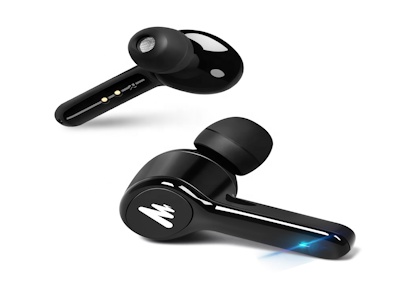
Введение: В эпоху цифровой революции звук стал неотъемлемой частью нашей жизни, выходя за рамки простого фона для музыки или фильмов. Современные аудиотехнологии, такие как пространственный звук, искусственный интеллект (ИИ) и бинауральное аудио, активно переопределяют то, как мы воспринимаем мир. Они не только улучшают развлечения, но и проникают в образование, здравоохранение, коммуникации и даже психологию, создавая новую, иммерсивную реальность. В этой статье мы рассмотрим ключевые инновации, их применение и то, как они фундаментально меняют наше существование.
Исторический контекст: от моно к иммерсивному звуку
Аудиотехнологии прошли долгий путь от первых монофонических записей до стерео, surround sound и современных 3D-аудиосистем. В 1950-х годах стереозвук революционизировал музыку, позволяя слушателям ощущать глубину и направление. В 1970-х Dolby Surround добавил многоканальность для кино, создавая более кинематографичный опыт. Однако настоящий прорыв произошел с появлением цифровых технологий, таких как MP3 в 1990-х, которые сделали звук портативным и доступным. Сегодня, с развитием вычислительной мощности и алгоритмов, мы видим взрыв инноваций: объектно-ориентированный звук, который динамически адаптируется к слушателю, и интеграция с виртуальной реальностью (VR) и дополненной реальностью (AR). Это не просто эволюция; это трансформация того, как звук взаимодействует с нашими чувствами, blurring the lines между реальным и цифровым.
Ключевые технологии, меняющие игру
Пространственный звук и 3D-аудио
Пространственный звук, также известный как 3D-аудио, имитирует то, как человеческое ухо воспринимает звук в реальном мире, создавая иллюзию глубины, высоты и направления. Технологии, такие как Dolby Atmos, DTS:X и Ambisonics, используют сложные алгоритмы для размещения звуковых объектов в трехмерном пространстве. Например, в кино это позволяет зрителю слышать, как вертолет пролетает над головой или как дождь падает со всех сторон. В играх, таких как Fortnite или Call of Duty, это усиливает иммерсивность, давая игрокам тактическое преимущество через звуковые подсказки. Исследования показывают, что пространственный звук может улучшить когнитивную обработку на 20-30%, делая опыт более запоминающимся и эмоционально насыщенным. Компании like Sony с их 360 Reality Audio и Apple с Spatial Audio демократизируют эту технологию, интегрируя её в наушники и смартфоны, thus making it accessible to millions.
Искусственный интеллект в аудио
ИИ революционизирует аудиотехнологии через машинное обучение и нейронные сети. Алгоритмы ИИ могут анализировать и генерировать звук с беспрецедентной точностью. Например, в музыке ИИ используется для мастеринга треков, как в LANDR, где автоматизированный процесс создает профессиональное звучание за минуты. В шумоподавлении, технологии like those in Bose или Sony наушниках используют ИИ для адаптивного устранения фонового шума, улучшая качество связи в шумных средах. Более того, ИИ enables real-time audio translation, breaking down language barriers in apps like Google Translate. В будущем, ИИ может создавать полностью синтезированную музыку или голоса, которые неотличимы от человеческих, raising ethical questions about authenticity and creativity. Но уже сейчас, ИИ-driven audio enhancement is making everyday interactions smoother and more personalized.
Бинауральное аудио и ASMR
Бинауральное аудио записывает sound using two microphones placed in a dummy head to simulate human hearing, creating a hyper-realistic 3D effect. This technology has gained popularity through ASMR (Autonomous Sensory Meridian Response) content, which uses whispered voices and subtle sounds to trigger relaxation and tingling sensations. Platforms like YouTube are flooded with ASMR videos that help millions cope with stress and insomnia. Beyond entertainment, binatural audio is used in therapy for anxiety disorders and in virtual tours for museums or real estate, providing an immersive experience without physical presence. The psychological impact is profound: studies indicate that binatural beats can alter brainwave patterns, promoting focus or sleep, showcasing how audio tech is directly influencing mental health.
Виртуальная и дополненная реальность с аудио
VR and AR rely heavily on audio to create believable environments. In VR headsets like Oculus Rift or HTC Vive, spatial audio is crucial for immersion; for instance, in a virtual game, hearing footsteps behind you can trigger a fight-or-flight response. AR applications, such as Snapchat filters or Pokémon Go, use audio overlays to blend digital elements with the real world. Technologies like Google's Resonance Audio SDK enable developers to integrate realistic soundscapes into apps, enhancing user engagement. The synergy between audio and visual elements in VR/AR is pushing the boundaries of experiential learning and entertainment, making simulations for training pilots or surgeons more effective and safe.
Применение в различных сферах
Развлечения и медиа
В индустрии развлечений аудиотехнологии redefine how we consume content. Streaming services like Netflix and Disney+ incorporate Dolby Atmos to offer cinema-like experiences at home. In music, artists are experimenting with immersive albums, such as Billie Eilish's "Happier Than Ever," which uses spatial audio to create a intimate listening journey. Live events have shifted to virtual concerts with 3D audio, allowing fans to feel present at shows from their living rooms, a trend accelerated by the COVID-19 pandemic. Podcasts are also evolving, with binatural recordings making stories more engaging. The economic impact is significant: the global audio market is projected to reach $XX billion by 2025, driven by these innovations.
Образование и обучение
Аудиотехнологии transform education by making learning more interactive and accessible. Language learning apps like Duolingo use AI-powered speech recognition to provide feedback on pronunciation. In e-learning, spatial audio can simulate classroom environments for remote students, enhancing focus and retention. For children with disabilities, audio-based tools offer alternative ways to engage with material. Universities are adopting VR with audio for virtual labs, where students can conduct experiments safely. This not only democratizes education but also prepares a generation for a digitally native future.
Здравоохранение и терапия
In healthcare, audio technologies are lifesavers. Hearing aids now feature AI to filter noise and enhance speech, improving quality of life for the hearing impaired. Binaural beats are used in meditation apps to reduce anxiety and pain. In telemedicine, clear audio communication is vital for accurate diagnoses. Research is exploring sonification—turning data into sound—to help doctors detect anomalies in medical scans through audio cues. These advancements show how audio is not just for leisure but a tool for healing and prevention.
Коммуникации и бизнес
В бизнесе аудиотехнологии streamline communication. Video conferencing tools like Zoom use AI for noise cancellation and speech enhancement, making meetings more productive. Voice assistants like Siri and Alexa leverage natural language processing to handle tasks hands-free. In customer service, audio analytics can detect emotions in calls, improving service quality. The rise of voice commerce is another trend, where users shop using voice commands, predicted to grow exponentially. This shift towards audio-centric interactions is reshaping how businesses operate and connect with customers.
Психологическое и социальное влияние
Новейшие аудиотехнологии deeply affect our psychology and social behaviors. Immersive audio can evoke strong emotions, from joy in music to fear in horror games, influencing mood and behavior. Socially, these technologies foster connectivity; for example, group listening sessions in VR create shared experiences despite physical distance. However, there are downsides: over-reliance on audio tech might lead to sensory overload or isolation. Ethical concerns include privacy issues with always-listening devices and the potential for audio deepfakes to spread misinformation. It's crucial to balance innovation with mindfulness to ensure these technologies enrich rather than diminish human experience.
Будущее аудиотехнологий
Будущее promises even more radical changes. Brain-computer interfaces could allow direct audio perception through neural signals. Haptic audio might combine sound with touch for fuller immersion. Sustainability will play a role, with eco-friendly audio devices gaining traction. As AI advances, personalized audio environments will become norm, adapting to individual preferences in real-time. The line between real and virtual audio will blur further, potentially leading to a world where sound is a primary interface for interaction. Challenges like standardization and accessibility must be addressed to ensure equitable benefits.
Заключение
Новейшие аудиотехнологии не просто улучшают наши слуховые体验; они actively reshape our reality, making it more immersive, connected, and personalized. From entertainment to healthcare, these innovations demonstrate the power of sound to transform human life. As we embrace this audio revolution, it's essential to navigate its challenges with care, ensuring that technology serves humanity positively. The future is sounding brighter than ever, and it's up to us to listen and adapt.
 1388xx888xx